

Speaking & PD
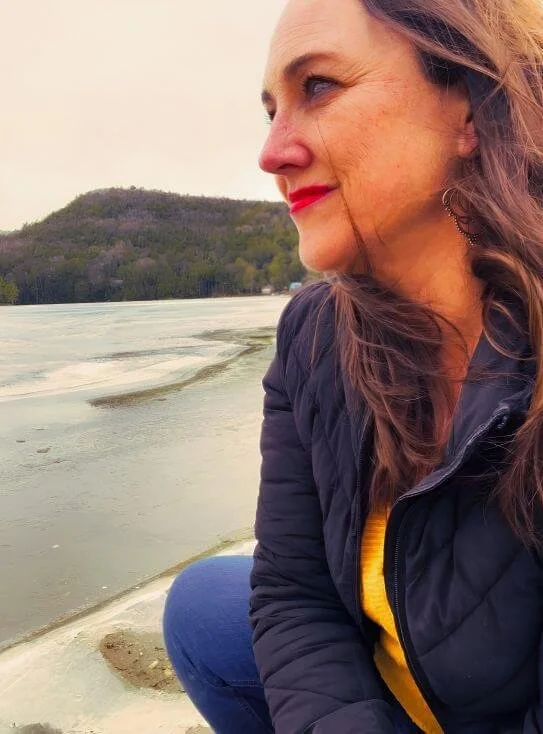
Speaking
Grounded in applied ethics, embodied wisdom, and self-trust, my public talks draw on my academic training and intersectional lived experience.
I open up vital but often-avoided topics for groups that are ready to engage with me honestly while we laugh, listen, and learn our way into the future.
Format and topics are tailored to the context of the audience but always rooted in research.
I intend to inspire deep reflection even when weaving in humor. They are generally lively conversations with Q&A interwoven. I do not use slides. I do not allow photography or video recording. The goal is to be present, laugh, and connect with the material in real time.
Available in-person in Hanover, NH and regionally.
Not offered online.
Details on Speaking
How We Talk (or don’t) about How we Think
From an ethical perspective, the way we treat differences in each other is a justice issue. The work of an ethical thinker like me is about pushing back on the idea that having a different brain is itself necessarily a problem. My focus is not on what brain matches what particular label. Rather, I seek to raise awareness about the fact that assuming brain variations are flaws can be itself a source of harm.
For too long we've defaulted to the idea that there's a "normal" out there. We play whack-a-mole with anything that conflicts with it, hoping we can "get back" to something. The chronic sense that you're a "special case" can and does create rupture. Some words we use to talk about the way we think carry stigma and perpetuate shame. Words matter, so we need to examine them openly.
I think it is vital to open up discussions about how we think in community settings. Rather than getting stuck in questions around metrics which are outside my purview, I aim to explore what we think of when we hear certain labels? Can we skillfully meet the experience underneath a label that we have associated with X, Y, or Z? There are people earnestly wanting to feel seen, but repeatedly treated as other.
I have described the way I think with certain labels. I am done using them. Why? For a time, I thought it was the ethically sound choice to radically own terms that were complex, but also helped me connect with patterns previously elusive to me. But words can become weighed down over time and end up simply too charged to be useful in connection. They carry assumptions, create silence and can even move us further away from the truth. That’s how stigma and stereotypes persist.
So I want to begin again. Can we open up a dialogue about the words we use to describe how we think and maybe even find new ones? How can we do better at speaking up when we feel unseen? What makes us feel ok to ask questions or open our minds to someone’s honest experience?
Drawing on applied ethics, research and intersectional experiences, this talk will explore themes like:
Nothing Special:
Equity means dismantling the idea that there's a better way to be
Linearity as a Moral Good?
The pandemic proved workdays can adjust. Needing different pacing, solitude, or adjusted schedules is possible. Or do we see it as a moral good to set up our lives in a linear way?
Self-Trust as Normative:
What would it look like to stem the tide of unending self-improvement and begin trusting our internal knowing?
No Exceptions:
How can we build environments that assume brain variation as the norm?
It's time to reconsider how we talk about how we think. Let's look at our brains and bodies through an ethical lens with research, and our values. Together.
Gotta Split?
Integrity in Divorce
Have you ever loved a plant, placed it in a beautiful pot, and cared for it well — only to realize one day that it has completely outgrown its container? You wanted it to grow. But maybe only up - not out.
Humans, like plants, are part of nature. Our relationships grow and shift over time, like we do. Needing a change today does not mean we made a mistake yesterday. We tend to associate significant change with a lack of stability. We also associate stability with responsibility, morality, and family values. That's tricky.
Drawing on applied ethics within divorce, this talk explores:
Outdated Infrastructure:
Traditional marriage was created for a different era where we died way younger and we were focused on stabilizing lineage and property. A lot has changed. Our lives generally optimize for meaning, autonomy, and longevity. The framework needs to catch up to us.
Contradictions:
We say we value personal growth - but only if it maintains the framework? We say we value honesty, but we are scared to honestly change in front of our kids. Why? This leaves kids holding the bag of our contradictions into the future.
Endurance v Fit:
Forcing ourselves to suppress growth to preserve a container is not natural.
We moralize staying the same as an inherent virtue and we say that teaches our kids something valuable. What if we are just teaching them that no matter how they feel, they need to stay married until their partner is proven guilty?
Integrity is not Externally Measured:
Ending or reshaping a relationship with clear, respectful intent is not a failure of commitment. Honoring when a commitment has been fulfilled can a profound and honest gift to everyone. Can we show kids that a relationship change does not negate love or prevent connection? I think so. Even the Constitution needs to be amended. Humans require a similar opportunity to evolve, with care.
Let's step out of rote shame and fear that doesn't really add up when we look at the facts. Let's explore divorce with clarity, ethics, and humor.
Professional Development
The common thread in this work is using applied ethics to skillfully navigate systemic friction and evolve with integrity.
Almost every school, organization, and team operates within a set of core values. Over time, culture shifts, research evolves and unexpected adjustments are needed.
We may find ourselves inside a gap between our stated values and what is actually happening at work. I am here to slow things down and offer an applied ethics lens. We will pause, zoom out, and look closely at what’s happening with a socio-ethical eye.
Details on PD
Priced by project scope
Every engagement is built around your specific environment and goals.
It typically includes:
Values Alignment Review:
A close look at your guidelines against the backdrop of your clients and everyday environment
Tailored Education:
Interactive, research-grounded meetings to talk and learn about culture, difference, and how we can navigate change with integrity.
Ethical Discernment:
One-on-one or small-group consulting to work through especially complex situations, update outdated operational frameworks, and design environments that honor human complexity.